I took on a 3-week adventure to Japan with the goal of removing myself from my comfort zone in a country across the world, with a new language, different norms and unique customs that rendered my assumptions about how to live day-to-day pointless. I hoped that this pressure would allow me to relearn things about myself that I may have taken for granted living in the same country my whole life, and my trip truly did that and more.
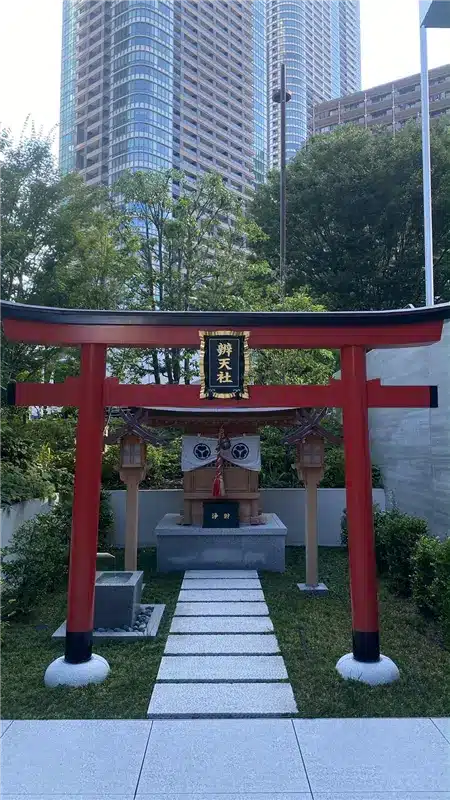
My first week was largely adjustment, getting used to using Japanese phrases in passing, learning to navigate the railway system etc, so I started, with the shrines. Hanazono was the first I visited, tucked incongruously into the edge of Shinjuku’s nightlife district, the quietest area of the entire ward. Next was Meiji Jingu, gravel paths and towering torii gates swallowing the noise of Tokyo behind you as you walked deeper into the forest and towards the main temple. Exploring Meiji Jingu was particularly exciting as I joined a guided tour, and as I learned more about the shrine and its importance, I kept coming back to Marx’s old line about religion being the opium of the people. The way ritual space offers relief that’s structurally similar to what we’d now call an emotional regulation strategy, in that people were queuing calmly, tossing a coin, bowing twice, clapping twice, bowing once. This script does the regulating for you, absolving you of the need to invent your own coping mechanism on the spot. Whether or not you believe in divine spirits or deities, the mechanism of belief itself was doing real psychological work.
The midpoint of the week involved some more exploration, this time more on the side of science. Visiting the national museum of nature and science in Ueno Park scratched a different itch entirely. The human evolution and neuroscience exhibits were breathtaking, incredibly well-curated. It felt like a natural extension of what I study, seeing the raw material of cognition laid out in glass cases instead of journal articles was completely worth it.
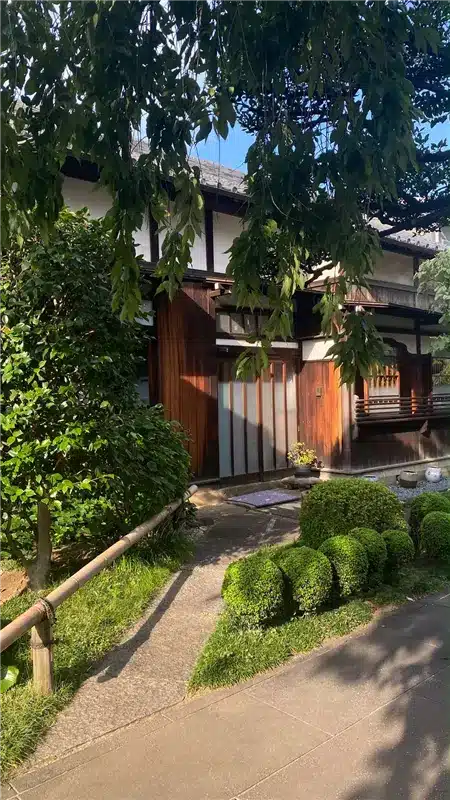
Towards the end of the week I wandered into Yanaka Ginza, one of the few pockets of old Tokyo that survived the bombing and the redevelopment waves. This was largely an attempt to practise mindful observation, spending time in Buddhist temples and learning more about the religion and what they preach. I found this visit, and the following few temple visits very enlightening, taking away personal lessons about non-attachment.
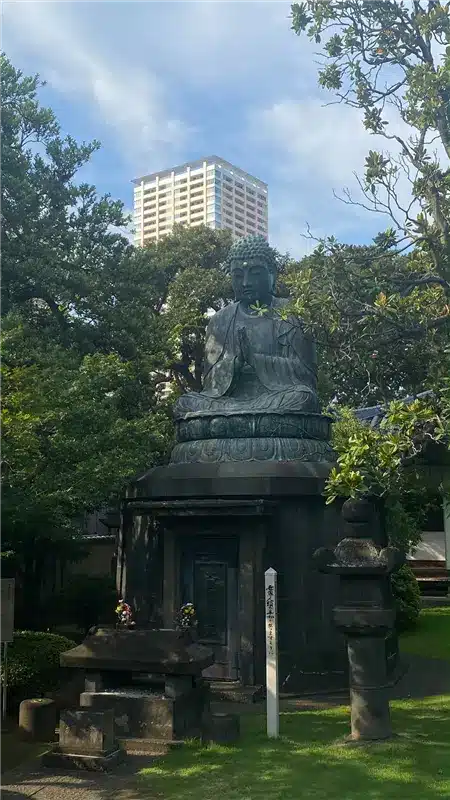
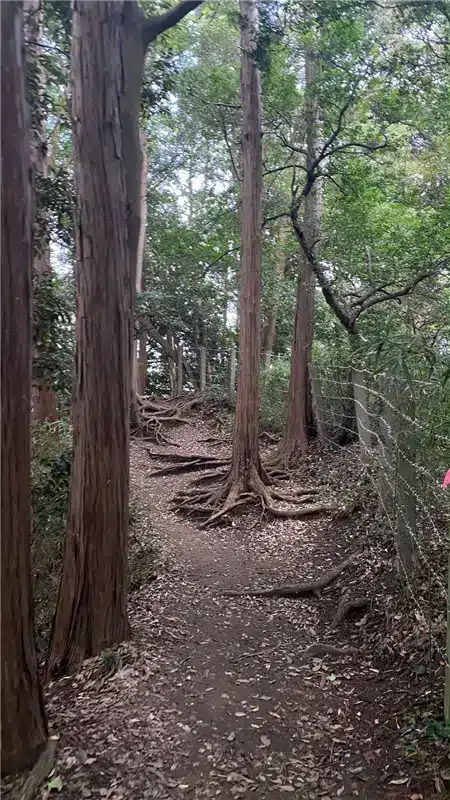
As the second week started, I took a day trip to the south, Kamakura City. This trip gave me the clearest version of how spiritual and natural spaces coexist rather than compete. The Daibutsu Trail strings together a handful of temples through forest paths before spitting you out at the Great Buddha, enormous, bronze, weathered into something closer to a landmark than a deity. It was a really beneficial hike, and a highlight of the trip as a whole.
One of the most memorable parts of the trip came from the volunteering I engaged with during the first 2.5 weeks of my trip. It reorganised my days around a rhythm that had nothing to do with sightseeing: Early mornings were spent teaching English to orphans at a children’s home. Afternoons were spent doing elderly support work or assisting sports activity set ups, and the occasional food bank shift. Evenings drifted into language exchange events or the occasional TELL Japan session.
The English lessons rarely stayed on script; half the lesson was just being present enough that a kid felt comfortable testing a novel word aloud. Seeing their faces light up when they got the pronunciation correct made it all the more worth it. And there was a mutual joy to be felt, as I improved my understanding of Japanese at the same time.
Afternoon sessions held a sharper contrast: structured, usually sport-based, built around teamwork. It’s the kind of volunteering where the barrier drops instantly, where actions spoke louder than words, and the goal became coordination and involvement.
The food bank shifts were an enjoyable change of pace, sorting, packing, moving crates, as well as the occasional small talk with people who shared my shifts to further develop my understanding of the language.
Then there was TELL Japan, which focused more on language exchange. These felt less like formal “volunteering” and more like a rehearsal space for the kind of connection that’s hard to manufacture as a short-term visitor. Sitting across from someone whose English is as shaky as your Japanese, both of you trading vocabulary like currency, laughing at the same mispronunciations being made multiple times over, it felt grounding and aided in immersing me with the language.
As my 3rd week closed in and my volunteering hours died down, I engaged more authentically with the community, through friends I had met during my trip; I was able to attend a traditional summer barbecue, with grilled eel, nagashi somen (noodles sent flowing down a bamboo chute that you chase with chopsticks before they slip past) followed by suikawari, the blindfolded watermelon-smashing game that’s somehow both a children’s party activity and a genuinely competitive sport once adults get involved (in which I won). One of the last events I attended was the Sumida River Fireworks Festival, a grand display that gathers the attention of approximately one million people yearly. Hearing the cheers across the blocked streets full of people once the display ended filled me with awe.
If there’s a thread running through all of my time in Japan, it’s that the trip worked best when I stopped trying to see Japan and started trying to participate in it. The shrines taught me something about ritual as regulation. The museum taught me something about how a culture chooses to display its own cognition. But events like the barbeque, the firework displays, and the kids at the children’s home; that’s where the true texture of the place showed up. Not as an exhibit, but as something I was, briefly, a part of.