My journey began with a short flight from Luton to Madrid. After a quick stop over, and a less quick 20-hour flight, I finally arrived at my destination, Tokyo, in absolutely horrible weather (expected for the season). I was excited, but jet-lagged, and, to be honest, quite nervous about the situation I had voluntarily placed myself in when I applied for this grant months ago. With no time to lose, I decided to do exactly what I do to sort through my thoughts and plan during term time – I went out for a walk.
The next day I jumped straight into my schedule. During the planning phase, I had been overly ambitious in mapping out every detail, a habit I would soon learn to adapt. Having never planned an elaborate trip myself before, let alone one in such detail as I needed for LEAP, being actually at my destination felt incredibly surreal. I found my affinity for walking came in handy as I encountered quite a few other temples, shrines, and incredibly well-maintained parks on my way between the bigger attractions. I took in the panoramic views of the city from atop Tokyo SkyTree, and as I saw the rain clouds closing in again, I had to make some quick adjustments to my plan, deciding to visit the National Museum during the bad weather.
That evening was also one of the most intimidating yet rewarding moments of my trip: visiting the Shuseikan dojo. As the oldest kendo dojo in Tokyo, a family-run institution that was destroyed during the Second World War and rebuilt by the current master’s father, it carried an immense weight of history. I’ll admit, it took a massive amount of self-hyping just to send the initial email asking to visit. If I hadn’t already booked my plane tickets, my nerves might have convinced me to back out completely. Despite a heavy language barrier, we found ways to communicate.
I carried that renewed confidence into the following day, as it was time for my first actual kendo class with a local club I reached out to before my trip. I was incredibly rusty, but I focussed on being as attentive as possible, determined not to inconvenience anyone. Looking back, I shouldn’t have been so worried, everyone I met was incredibly kind. Afterwards, they invited me to a welcome dinner at a local izakaya. Sitting around the table, patching together conversations using a mix of basic Japanese phrases, translation apps, and sharing earbuds, I felt my lack of fluency become less of an obstacle.
Due to ongoing weather disruptions, I delayed my departure to Hakone and instead visited the Imperial Palace grounds and a few gardens before catching a late bus to my next stop. However, calmly navigating this setback showed me I was finally getting comfortable on my own. By the time I boarded the bullet train to Kyoto shortly after, my earlier anxieties about solo travel had completely vanished.
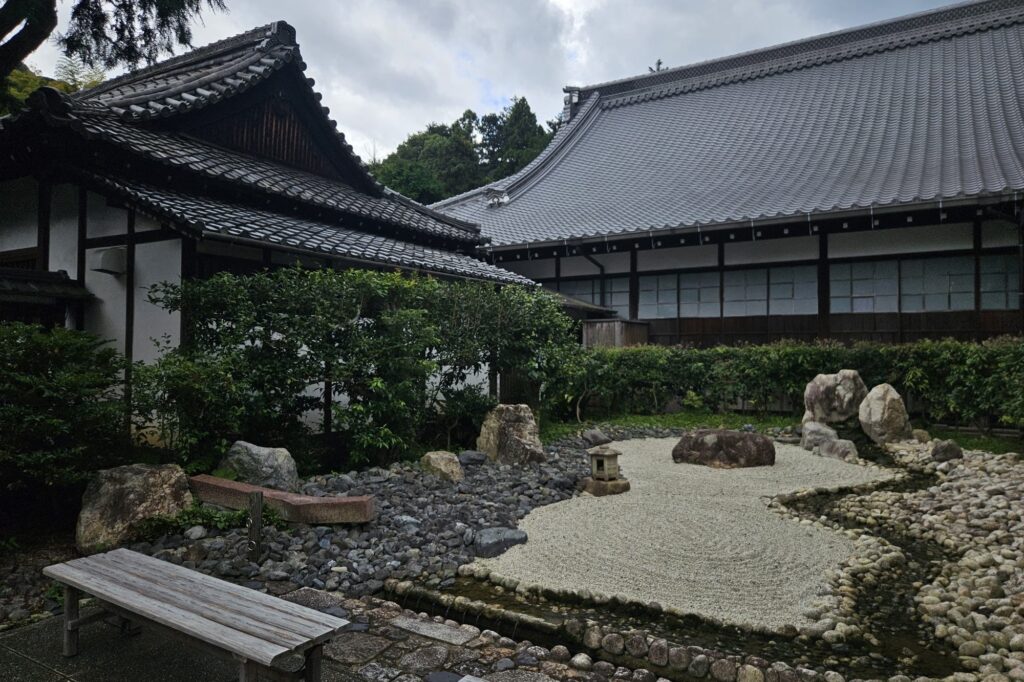
Arriving in Kyoto definitely felt like a gear shift. I was settling into a rhythm, though my days were still packed. I visited a seemingly endless list of shrines and temples, Kodaiji being probably my favorite due to its amazing gardens, and quickly developed a slight obsession with collecting goshuin (seal stamps). The calligraphy is just too pretty to pass up, and having a memory of when I visited each location felt like a great way to document my days.
Even amidst the heavy sightseeing, I still found some unexpected ways to socialize. I went to a Spanish language exchange event of all things, and later visited the Sandokai dojo to watch an aikido weapons class. There, I got chatting in a mix of Spanish and English with a girl who had moved to Japan for a year just to learn aikido, which I thought was genuinely so cool and impressive.
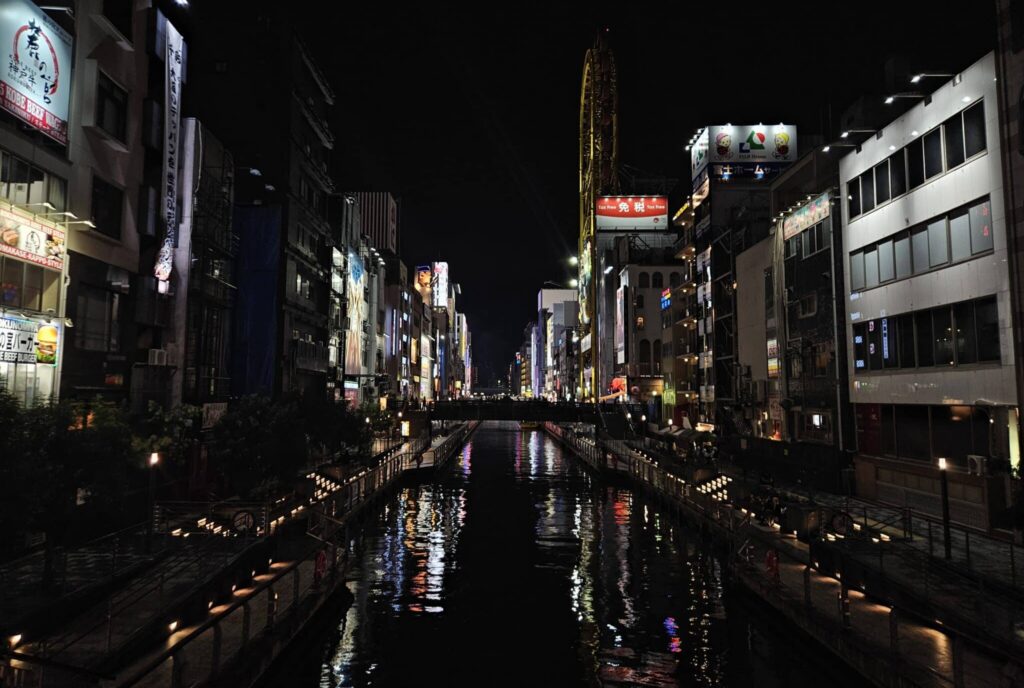
The rest of the week was a fast-paced blur of trains and side trips. I hiked part of Fushimi Inari, walked through the deer park in Nara (they are adorable), and ate some fantastic food in Osaka before catching an early bullet train back east. I made it back in time to catch the Tsurugaoka Hachimangu festival, where I happily snagged a festival-specific goshuin, and settled back into my kendo routine, even if staying outside of Tokyo meant my daily commute to the dojo was now much longer.
The latter half of my trip had me return to Tokyo to focus on practice as well as volunteering with Second Harvest, a food bank. My responsibilities mainly consisted of restocking their pantry, sorting items, and cleaning. It was a grounding way to spend a few days, stepping away from the tourist trail and contributing to something practical.
My newfound flexibility came in handy during my final days when the weather took a turn for the worse. Even with the constant rain, there were so many shops and random buildings to explore that I still thoroughly enjoyed walking around the city. But the true full-circle moment came during my final kendo class. Not only did I attend, but I finally stepped in to participate in sparring. The people at the club had been so welcoming that I wished I could have stayed longer.
When I finally made it to the airport for my journey home, my flight was delayed quite a bit. Sitting at the gate, I realized how drastically my mindset had shifted. Three weeks prior, I had landed in Tokyo in the exact same rainy weather, exhausted, overwhelmed, and questioning the predicament I had gotten myself into. Now, sitting in the terminal watching the rain again, I couldn’t believe it was already time to leave. I had thrown myself completely into the deep end, and in the process, found a sense of independence and confidence I know I’ll carry with me long after this trip. I am incredibly grateful to the LEAP programme for making this adventure possible; it was an unforgettable experience that pushed me out of my comfort zone in the best way possible.