In the initial stages of adventure planning, I was given a challenge: plan no more than 50% of my trip.
At first, this was much harder than it sounds. I am someone who likes to know what is happening, have a plan to fall back on, and maximise what I can fit into my time. Consequently, the concept of travelling to another continent without knowing exactly what I would be doing every day was slightly outside my comfort zone. However, the whole point of the challenge was to help me become more comfortable with turning things down, making decisions for myself and being spontaneous. Looking back after two weeks in Buenos Aires, I think it was one of the best challenges I could have given myself.
I knew from the beginning I wanted to get something practical out of my trip – since I finished my GCSEs I’ve tried to keep up with Spanish but it’s much harder without people to talk to regularly. I’ve also always wanted to go to South America, so once I narrowed it down to the Spanish speaking countries, I researched what attractions there were in each. I landed on Argentina for its significance to my history studies, its regional versatility and highly praised food (although I was sceptical of how much better an Argentinian steak could really be… after thorough research, I can assure you they are phenomenal.)
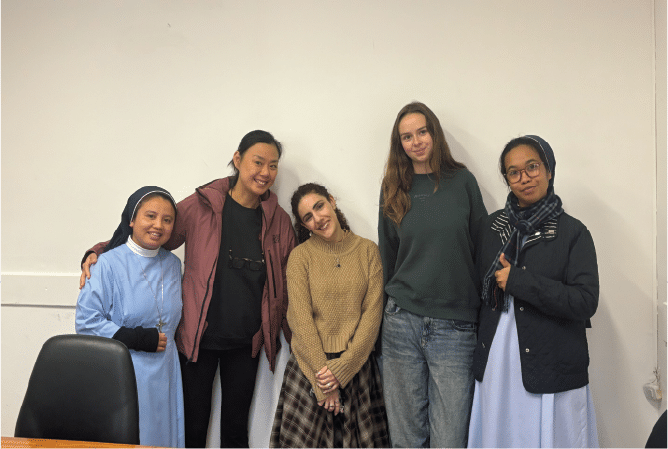
Once I was there, I spent every weekday morning attending my language academy for four hours. This was my scheduled portion of the day, and this continuous structure gave me the confidence to use the language in everyday situations. I also stayed with a host mother organised by the academy, so in theory I was able to practice comfortably, as well as get cultural tips and recommendations for where to visit. (I say “in theory” because she actually was a bit of a nightmare and I moved accommodation halfway through, but all the better for adhering to my challenge!)
The afternoons and evenings were where the unplanned part of the trip really came into its own. Because I had deliberately left so much of my schedule open, I could decide what I wanted to do each day. Sometimes I had an idea of where I wanted to go, while other times I would simply see what other people were doing and decide to join them. The academy led two events a week, usually a trip and then some type of workshop, but these would not be announced until the Monday of each week, which added to the flexibility of my schedule.
I learned that not every day needs to be perfectly organised for it to be a good day, and became increasingly comfortable walking out of school for the day and deciding on a whim which way I should go from there.
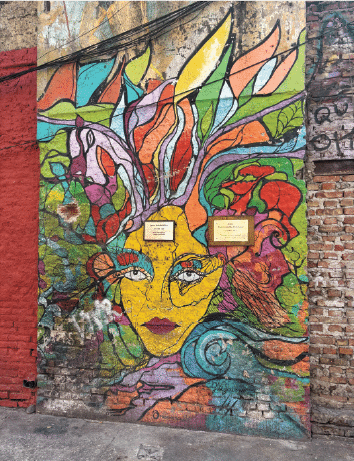
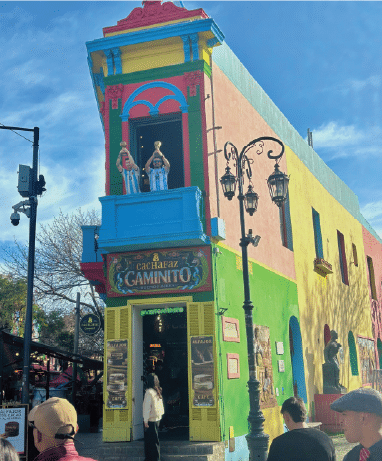
One of the highlights was visiting La Boca. The colourful buildings, street art and lively atmosphere made it completely different from anywhere I had been before. It was one of the places where I felt the most glad to have left room in my itinerary, because I could take my time exploring rather than rushing from one planned activity to the next.
As my second host was from Beijing and lived in Tigre, roughly two hours outside of BA, it meant I got to experience parts of Argentina that I hadn’t even considered. She took me to Buenos Aires’ Chinatown, which I absolutely loved – it felt like another side of Buenos Aires that I might not have discovered if I had planned every minute of my trip in advance.
One of the best moments was something I never could have planned for – on my last day, my new host dad said “it’s gnocchi day!”. I had no idea what he meant, but turns out there’s an old tradition some families keep up, in which in the 29th of each month they eat gnocchi as an invitation of prosperity to come in the next month. Having spent two weeks there I hadn’t heard anyone say anything about this before and felt so lucky to be having this “right place right time” moment, because as my closest friends will tell you, I really love gnocchi and it was such a random touch that made my day.
The most important part of the trip was not any particular place I visited. It was how much more confident I became in myself. Travelling independently meant that I had to make decisions all the time. I had to work out where I was going, communicate with people, manage my time and decide what I actually wanted to do. There were moments when I felt unsure or was reluctant to make a “wrong choice”, but instead of seeing that as a problem, I began to see my trip become more and more worthy of being called an adventure.
The challenge to leave half of my trip unplanned also taught me something important about saying no. When you are travelling, there can be an expectation to say yes to everything because you do not want to miss out. I learned that being independent also means recognising when something is not for you. I could turn down plans without feeling guilty and choose to spend my time in a way that suited me.
At the same time, I became much more comfortable saying yes to opportunities that I had not planned for. Some of my best experiences came from being spontaneous, meeting people and allowing the day to develop naturally.
I came home with memories of amazing food, new places, new people and experiences I could never have planned in advance. Most importantly, I came home knowing that I could put myself in an unfamiliar situation, make my own decisions and enjoy it.
For me, that is what made the trip so valuable. With the support of LEAP I was able to enjoy such a unique and invaluable experience and I’ve come back with a strong feeling of accomplishment.