Some of my earliest memories are my dad’s storytelling of his time living in Australia. Whether it was the monstrous spiders he encountered, or the beautiful landscapes etched in his memory, these stories made Australia a place I had already experienced in my mind. It became somewhere I already felt so connected to and somewhere I was so sure I would visit myself someday. I didn’t, however, expect that opportunity to come so early in my life until LEAP provided the foundations for me to take this jump and bring this dream to fruition. My adventure saw me thrust me into the world down under for 3.5 weeks. Now upon my return, I am free to seek more adventure: a product of my own leap to embrace the uncertainty and fear attached to the first time doing anything. Australia has not only opened my eyes to a new way of living; it has inspired within me a greater understanding of what I am capable of.
I began my trip with the long journey to Melbourne. Upon arrival, I experienced perhaps one of the lowest points in my trip: the realisation of the enormity of the journey ahead of me. However, the messages of support I received from my friends at home inspired a greater trust and confidence in myself, if only to make it through that first night. My first few days exploring the rich culture flocking the streets of Melbourne were a daze, clouded by jet lag. The famous Hosier Lane street art was mesmerising, and I enjoyed strolling the laneways exploring the political messaging embedded amongst the bright colours and patterns. I was even lucky enough to watch an artist in action!
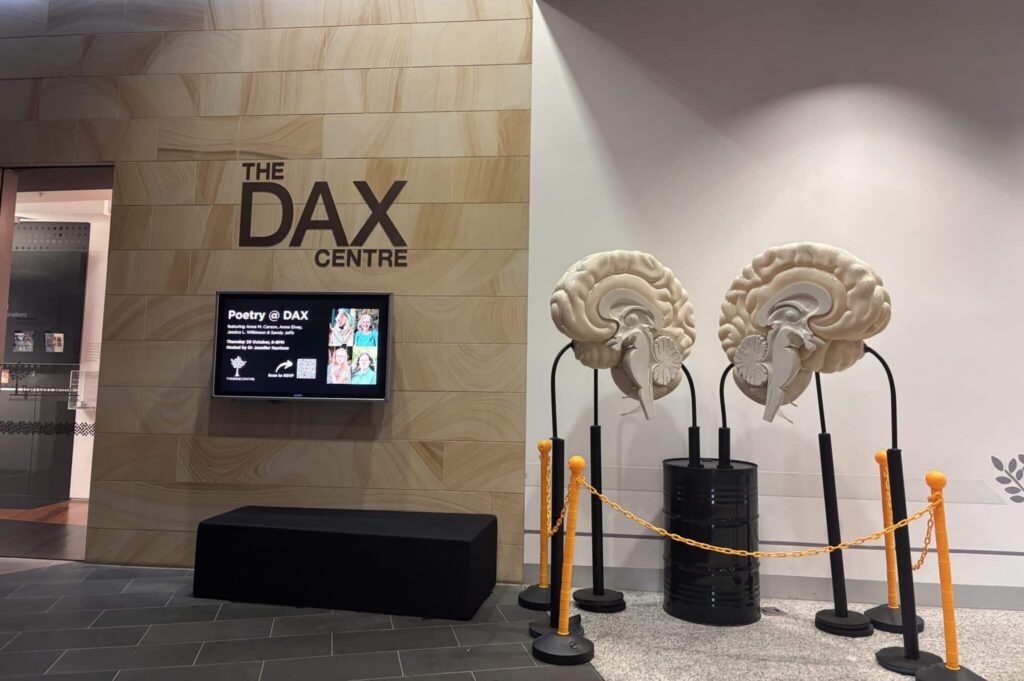
I also visited the Dax centre: a gallery of art made by individuals with psychological disorders, based on Dr Dax’s 1950s theory that art making was a vital part of psychiatric recovery, providing a window into mental illness, regardless of the creator’s intention. A piece entitled ‘Two Rejects Make a Whole’ explored the idea of intimacy and whether the patient could ever be embraced if someone knew their true demons. I found the experience of the gallery wholly enlightening, and it inspired me to reflect on how Dax’s ideas correspond to modern understanding of psychiatry, and how art making can continue to be used in recovery, though not as a marker of clinical pathology of patients.
My visit to the Immigration Museum was another highlight, where a football-specific exhibit allowed me to explore the connection of sports with culture, and particularly identity. This was specifically relevant to my future career ambitions in sports psychology: I found myself considering how culture and identity influence the individual psyche, and athlete performances on the sports field, as well as how team sports shape identity, providing athletes with a sense of unity through shared purpose.
Throughout much of these early days of my journey, it felt as though I was wearing a huge label saying, ‘I’m not from here.” However, as I adjusted to being alone, I chose to reframe this solitude as a unique experience that could also unite me with others. In my next destination of Sydney (after a long but beautiful 12-hour train journey) I spent almost every evening with other solo-travellers. In these moments, I realised that travelling alone does not mean travelling lonely.
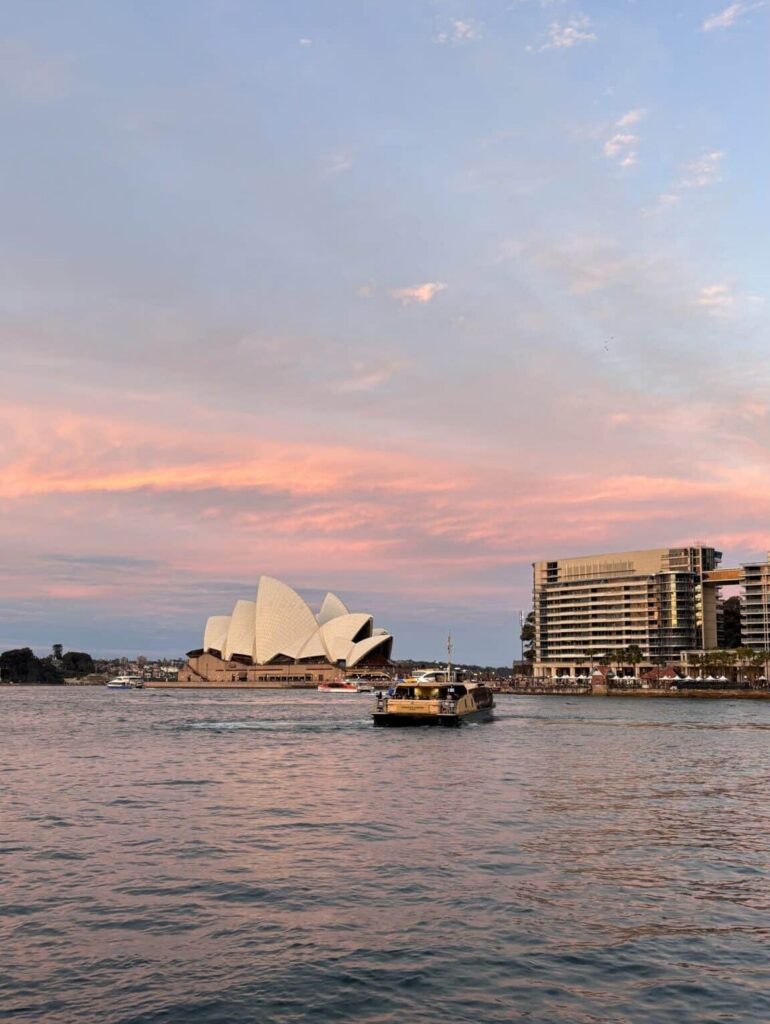
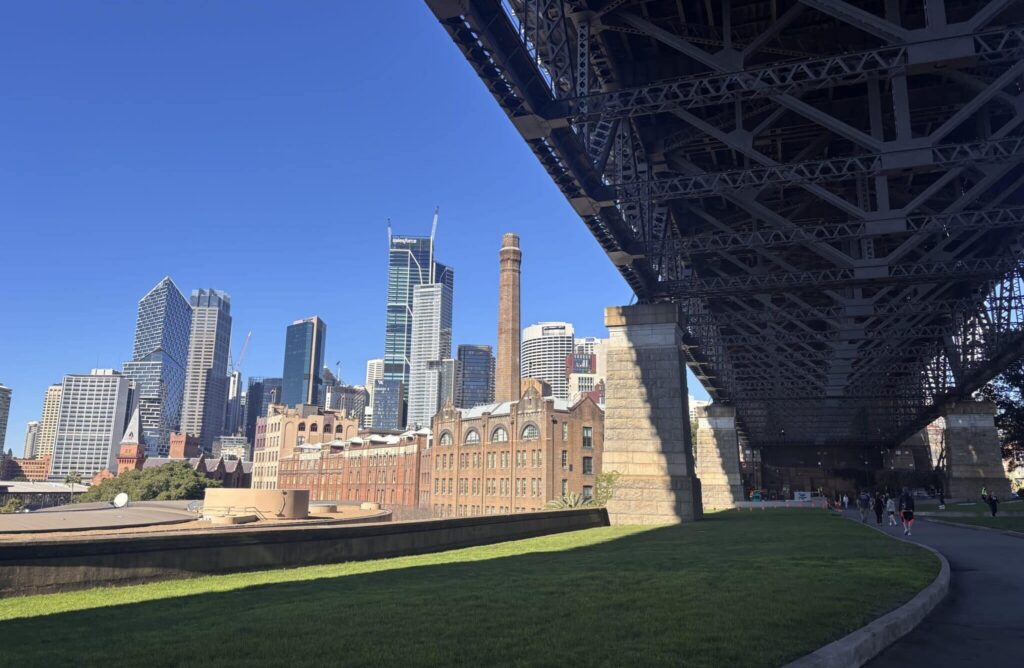
Sydney was where I really found my stride. Aside from the astounding views and brilliant location of my hostel, just 5 minutes from the Sydney Opera house and the iconic views of Circular Quay, it was here that my understanding of confidence changed to mean doing something even when I felt unsure. This reframing allowed me to enjoy the feeling of having a whole city within reach to explore. I even ended up extending my stay at my hostel twice, perhaps the best marker of how comfortable I grew there. This spontaneity also became a theme for my time in Australia, my trust in myself increasing tenfold as I let my plans unfold naturally.
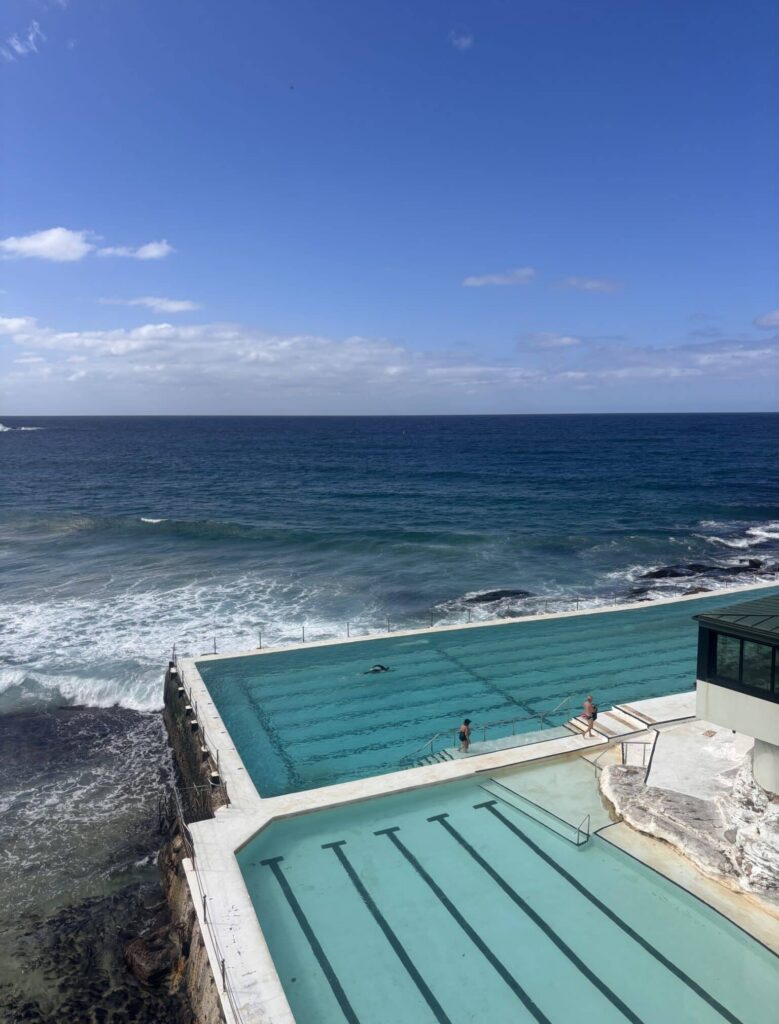
The Bondi to Coogee coastal walk also remains stark in my memory as a particularly beautiful setting for such reflection and introspection. The general day to day exposure to the active lifestyle and ‘seize the day’ approach of people in Australia has also made a great impression on me and is something I hope to carry into my life even back in Cambridge. Experiencing a Sydney Roosters NRL game was also important to me; my dad is a massive rugby league fan and having been to many games back in the UK myself, I felt it was important I shared this moment with him, even 10000+ miles away. As a neutral fan, I was also able to analyse the lack of partisanship in Australia compared to what is often found in the UK between rival teams. I reflected on what cultural differences there may be in Australia responsible for such a difference.
Following on from Sydney, I chose to spend my final days exploring Noosa, where I lavished in the peaceful, rainforest-like settings of my lodge style hostel. I spent my days on many hikes, including a particularly memorable sunset hike to a point that offered astounding views over the valleys. I also spotted dolphins for the first time in the wild on the Noosa Coastal path!
The calmness of the end of my trip also allowed me to reflect on the steady personal growth I had experienced across the course of my adventure. Three weeks before, I had hoped that Australia would bolster my confidence through the experience of a new country solo; I returned home with a renewed understanding of myself, my ability to adapt and embrace life and the opportunities ahead of me. Already I found myself with a new enthusiasm and excitement for more solo-travel. Being alone doesn’t scare me anymore; I had learnt to sit with myself and my own thoughts, and to embrace discomfort as a way to learn and grow.